
Aloha State Daily
| November 12, 2026
Each year, some smart people in the nonprofit Truth in Accounting pore over the financial statements of the several states and compare them. We last reported on their findings five years ago when they gave us some utterly depressing news: when you added up what we have, including cash and other assets available to pay bills, and subtract what we are obligated to pay, including not only bond debt but also commitments to pay state retirees pensions (our Employees’ Retirement System, or ERS) and provide them health care for life (the Hawaiʻi Employer-Union Health Benefits Trust Fund, or EUTF), the result, when divided by our taxpayer population, was a staggering $37,000 per taxpayer. (Debt attached to capital assets like land and buildings is not counted because the capital assets are not counted.)

The American Spectator
| November 10, 2026
Just when more calls from within the Democratic Party were ringing out for Maryland Gov. Wes Moore to run for president following his successful election to a second term in office, more questions have arisen over whether he exaggerated his military service in Afghanistan

The Journal
| October 26, 2026
Most households would be thrilled to learn their financial state had been given a B grade four years in a row. Of course, it would be nice to be able to aim for an A, but knowing our financial status hasn’t deteriorated would be a great comfort.
State officials, too, are likely content with learning Truth in Accounting has granted West Virginia a B for financial health again this year — and the grade IS good news. Across two gubernatorial administrations, those in Charleston have been able to do a better-than-average job as stewards of taxpayer dollars.
Jim Dey | The News-Gazette
| October 21, 2026
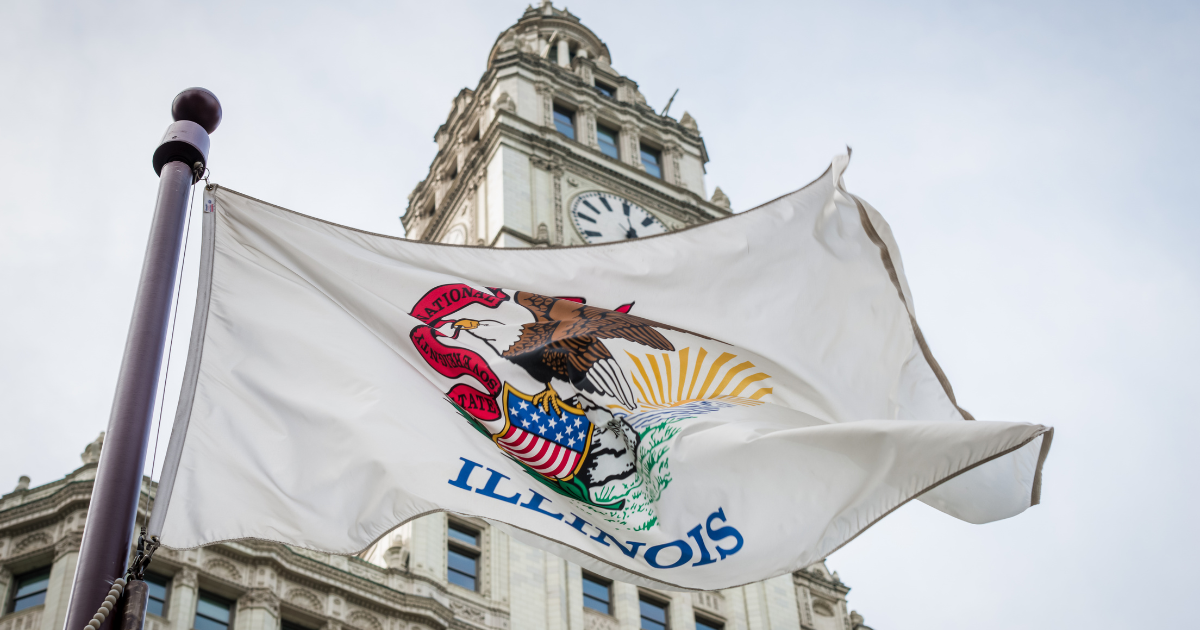
Uh, oh, one of those carnival barkers got loose and again is nipping at Gov. J.B. Pritzker’s heels.
She won’t bite, but she will irritate our running-for-re-election governor because he just hates it when any one of a handful of financial analysts releases a report detailing the state’s financial woes.
This time it’s Sheila Weinberg, who heads the Chicago-based Truth-in-Accounting.

The Center Square
| October 20, 2026
Minnesota ranked 15th nationally in Truth in Accounting’s 2026 “Financial State of the States” report.
The state received a “B” grade, according to the report, with a surplus of $6,300 per taxpayer.

KSL
| October 19, 2026
A new state financial report from Truth in Accounting says so, ranking the Beehive State fourth among 50 states in terms of its statewide financial situation and giving it an "A" financial grade, while also pointing out "repeated problems" with the state's handling of federal money.
The Center Square
| October 15, 2026
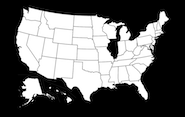
Illinois is one of four states that received a failing grade on the 2026 Financial State of the States report, but Truth in Accounting said there is a legislative way to improve Illinois’ financial health.
The report used audited financial reports and retirement system data to examine each state’s financial health.

The Bond Buyer
| October 15, 2026
Every state but Vermont is required by law to work with balanced budgets, but creative accounting may be presenting skewed data.

Fox News
| October 15, 2026
Of the 50 U.S. states, 24 don't have enough money to cover their bills. Meanwhile, one under-the-radar red state stands apart from the rest, according to a new analysis of state finances.
North Dakota ranked No. 1 in Truth in Accounting's 2026 Financial State of the States report, ending fiscal year 2025 with $21 billion more than it needed to pay the state's bills. That financial cushion gave North Dakota the highest "Taxpayer Surplus" in the country at $72,300.

Mark Tapscott | The Washington Stand
| October 15, 2026
Republicans dominate the executive and legislative branches of all five of the financially healthiest state governments, while, at the opposite end, Democrats exercise total control of the five states with the biggest debts, as measured by the Truth-in-Accounting (TIA) nonprofit watchdog.
Ellen Brown | ScheerPost
| February 24, 2026
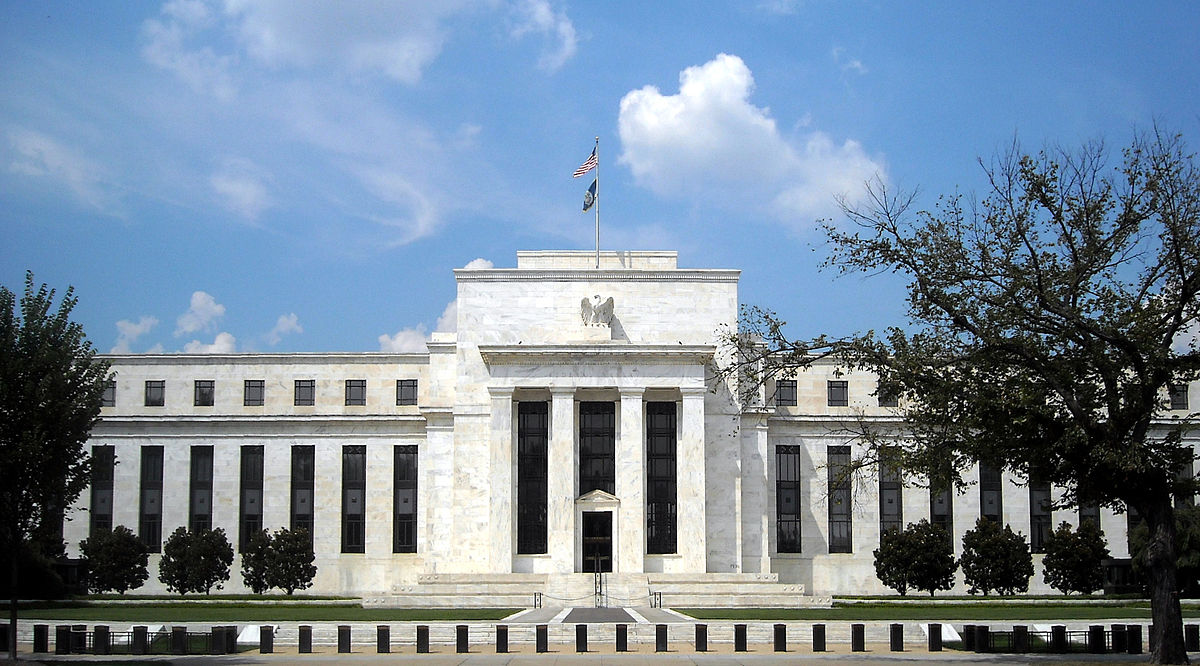
On January 30, when former Federal Reserve board member Kevin Warsh was nominated by President Trump as the central bank’s next chair, markets sold off and gold and silver plunged. Investors were positioned for a “dove,” someone inclined to cut rates aggressively and keep money loose; and Warsh has a long-standing reputation as a “hawk.”

The Wall Street Journal
| February 1, 2026
The Chicago Teachers Union (CTU) has resisted making its financial audits public, and we are starting to learn why. The union recently produced audits going back to 2020, and the records show that its finances haven’t always received a clean slate by its official independent auditor.

Chicago Tribune
| January 16, 2026
Op-ed by Sheila Weinberg, "The Chicago Tribune recently exposed disturbing oversight failures in Minnesota’s federally funded programs, problems that have led to fraud investigations and federal payment freezes. But this is not unique to Minnesota. Illinois’s most recent Single Audit reveals similar systemic breakdowns in federal program oversight, showing that federal taxpayers’ money is at risk far beyond one state."